

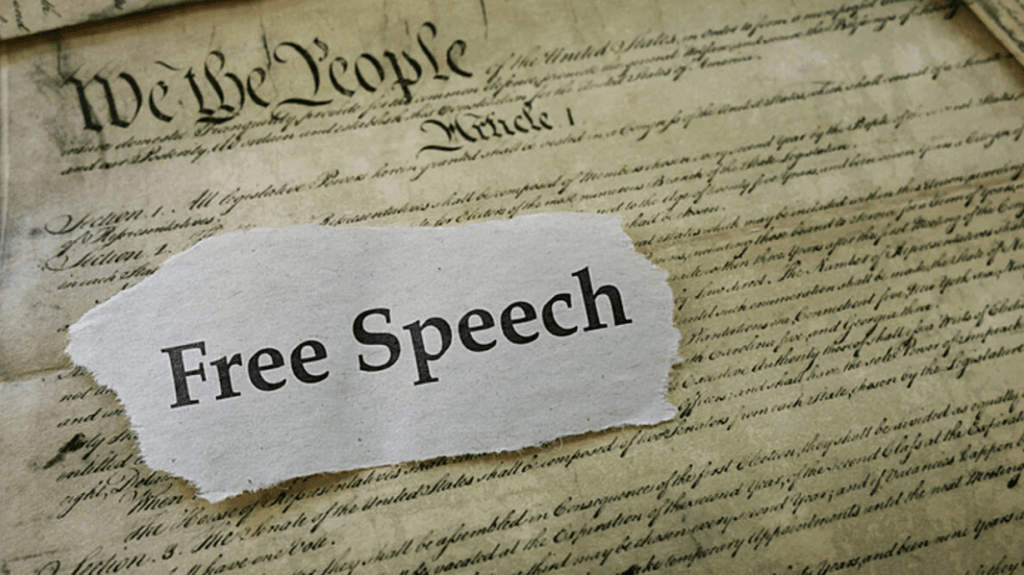
The First Amendment of the U.S. Constitution says:
“Congress shall make no law… abridging the freedom of speech, or of the press.”
At its core, freedom of the press means the government can’t control what the media publishes, and it can’t punish journalists just because they reported something uncomfortable, controversial, or critical.
But “the press” today means more than just newspapers. It includes:
- TV and radio journalists
- Podcasts and digital media
- Websites and independent creators
- Investigative reporters and bloggers
A free press is a cornerstone of democracy. It informs the public, keeps leaders honest, exposes injustice, and ensures transparency at all levels — from City Hall to Capitol Hill.
A Little History: Why the Founders Cared So Much
In the 1700s, American colonists weren’t just drinking tea and wearing powdered wigs — they were obsessed with pamphlets. The era’s version of viral content.
Thomas Paine’s Common Sense wasn’t just a pamphlet. It was revolutionary, literally. It influenced the colonies to break free from British rule.
Under British rule, criticism of the king could land you in jail. The government tightly controlled the press, and dissent was criminalized. That’s why the Founding Fathers made freedom of the press one of the very first protections in the Bill of Rights. They knew that without a free press, democracy can’t survive.
Things the Government Can’t Do to the Press
Let’s break it down.
No Prior Restraint
The government can’t block a story before it’s published — even if it’s controversial or inconvenient. This is called “prior restraint,” and it’s almost always unconstitutional.
No Retaliation for Reporting
If a journalist uncovers corruption and the government responds by revoking credentials, issuing threats, or cutting off access? That’s a red flag — and likely a First Amendment violation.
Defamation? Hard to Prove
Public figures can sue for defamation, but it’s a high bar. They have to prove:
- The reporting was false, and
- The journalist published it knowing it was false
This high standard protects journalists from being sued into silence.
No Press Pass Discrimination
The government can’t deny a press pass just because it doesn’t like what someone reports. That would be content-based discrimination, and it’s a First Amendment no-go.

 jbiaprepillustrated.blog