

Cody Christie | Twins Daily
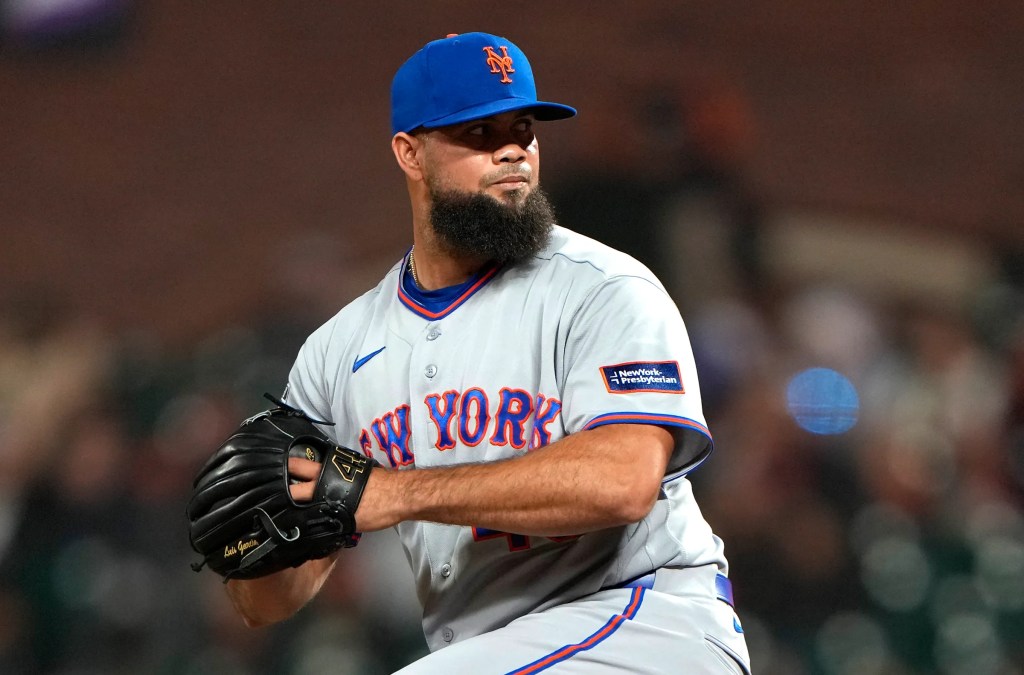
The Minnesota Twins are adding another experienced arm to the organization, agreeing to a minor league deal with veteran right-hander Luis García. The 39-year-old reliever is expected to report to Triple-A St. Paul, giving the Twins a no-risk opportunity to evaluate whether he still has something left in the tank.
García opened the season with the New York Mets after signing a one-year deal worth $1.75 million over the winter. That partnership didn’t last long. After just six appearances, the Mets decided to move on, cutting ties following a brief stretch where García struggled to find consistency. In 6 1/3 innings, he allowed five earned runs on 11 hits while walking two and striking out four.
It’s an ugly line on the surface, but it also represents a very small sample size. For a pitcher with García’s track record, six outings are hardly enough to draw a definitive conclusion. Still, the Mets saw enough to pivot quickly, eating the remainder of his salary rather than attempting to stash him in the minors.
That decision opens the door for Minnesota. Even at 39, García isn’t far removed from being a useful bullpen piece. Just last season, he logged over 50 innings across multiple teams while posting a 3.42 ERA. He leaned on a heavy sinker that generated ground balls at an impressive clip, helping him work around less-than-elite strikeout and walk numbers. It wasn’t dominant, but it was effective, and that’s exactly the type of profile the Twins have targeted in the past when building bullpen depth.
The concern now is whether that version of García still exists. Early returns this season showed a noticeable dip in velocity. His sinker, which sat in the upper 90s a year ago, has backed off by a couple of miles per hour. His secondary pitches have followed a similar trend. For a pitcher who relies on movement and weak contact, even a slight drop in stuff can make a meaningful difference.
That’s where this signing becomes interesting. Minnesota doesn’t need García to be a high-leverage weapon. They don’t even need him in the majors right away. What they do need is depth, especially with the unpredictable nature of modern bullpens. By bringing him in on a minor league deal, the Twins can give him time to work in St. Paul, evaluate his stuff in a lower-stakes environment, and determine if any adjustments can help him regain effectiveness.
There’s also a financial advantage built into the move. Because the Mets released him, they remain responsible for the bulk of his salary. If García works his way onto Minnesota’s roster, the Twins would only owe him the prorated league minimum. For a team always mindful of payroll flexibility, that’s about as low-risk as it gets.
If it clicks, the Twins could uncover a steady veteran capable of soaking up innings and generating ground balls in the middle innings. If it doesn’t, they can move on without consequence.
Moves like this rarely grab headlines, but they often matter over the course of a long season. Bullpen attrition is inevitable, and organizations that can cycle through experienced options tend to weather that storm better than most.
For now, García is simply the latest name added to that mix. Whether he becomes anything more will depend on what he shows in St. Paul and whether the Twins can help him turn back the clock, even just a little.

 jbiaprepillustrated.blog